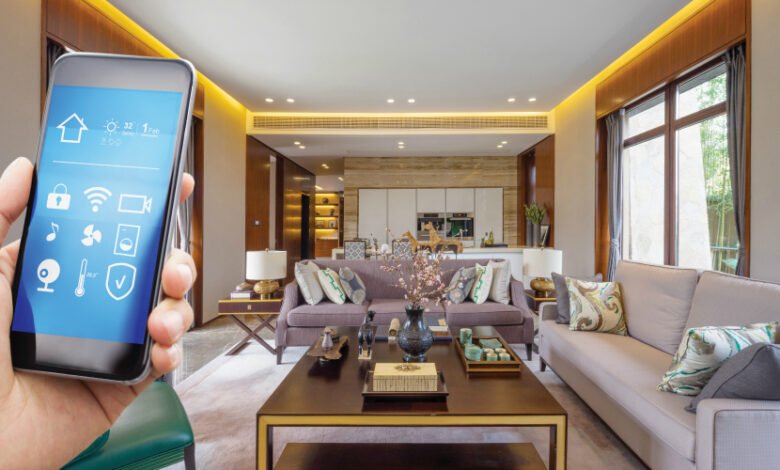
Smart home technology has moved beyond simple voice assistants and remotely controlled light bulbs. Today, homeowners can connect lighting, security, climate control, entertainment, appliances, and sensors into a coordinated system. This broader idea is what many people are looking for when they search for smart homes techoelite.
The term can be confusing because it is used online in different ways. Some sources present TechoElite as a smart-home concept or content platform, while others use the phrase to describe a sophisticated, integrated home-automation experience. The most useful way to understand it is as an approach to connected living: technology should work together to make a home more convenient, secure, comfortable, and manageable.
Rather than filling a house with gadgets, the goal is to choose devices that solve genuine everyday problems and can communicate reliably with one another.
What Are Smart Homes TechoElite?
A smart home is a residential environment containing connected devices that can be controlled automatically, remotely, or through a central interface. Depending on the setup, this might include smart lights, door locks, cameras, thermostats, motion sensors, plugs, speakers, blinds, and appliances.
The TechoElite concept is most useful when these individual technologies are treated as parts of one system rather than isolated products. For example, a homeowner could create a “leaving home” routine that turns off selected lights, adjusts the thermostat, checks connected locks, and activates security devices.
That distinction is important. Owning several smart products does not automatically make a home intelligent. The real benefit comes from integration and automation.
Core Technologies Behind a Smart Home
Smart Lighting
Connected lighting is one of the easiest ways to introduce automation. Users can schedule lights, control them from a phone, or trigger them with sensors.
For example, hallway lights can turn on when motion is detected at night and switch off automatically after a period of inactivity. This can be more practical than manually controlling every light.
Smart Security
Smart security can include cameras, video doorbells, smart locks, alarm systems, and door or window sensors.
A well-planned system can send notifications when an unusual event occurs, allow remote monitoring, or provide convenient access control. However, security devices should be configured carefully because they are connected to the internet and can involve sensitive household information.
Climate Control
Smart thermostats and environmental sensors can help homeowners manage heating and cooling according to schedules or household conditions.
Instead of maintaining the same setting all day, a homeowner might create different routines for working hours, evenings, weekends, and periods when nobody is home.
Entertainment
Connected televisions, speakers, streaming devices, and receivers can also become part of a broader home system.
A simple evening routine, for instance, could lower selected lights and start an entertainment device without requiring several separate commands.
Sensors and Automation
Sensors are often what make a smart home genuinely responsive. Motion, contact, temperature, humidity, and light sensors can provide information that triggers automated actions.
This creates a useful difference between remote control and automation. Remote control means you tell a device what to do. Automation means the system can respond to a predefined condition.
Why Integration Matters More Than the Number of Gadgets
One of the biggest mistakes people make is buying devices first and thinking about compatibility later.
Imagine a homeowner purchases smart bulbs from one manufacturer, a thermostat from another, several security devices from a third company, and a voice assistant that cannot properly integrate with all of them. Each product may work independently, but managing the entire home becomes inconvenient.
A better approach is to establish an ecosystem before expanding.
Compatibility standards such as Matter are also making cross-brand integration more practical. Matter is designed to help compatible smart-home products work across supported ecosystems, reducing some of the compatibility problems that have traditionally affected connected homes.
The important lesson is simple: choose a system based on compatibility, reliability, privacy, and long-term support—not just individual product features.
Practical Example: A Smarter Morning Routine
Consider a household where everyone leaves for work or school at different times.
Instead of manually adjusting everything each morning, a routine could be configured to gradually activate selected lights, adjust the thermostat, and provide information through a connected speaker.
Later, when the final person leaves, another routine could switch off unnecessary lighting and selected appliances while activating appropriate security settings.
The value is not that any one action is impressive. The value comes from combining several small actions into a routine that removes repetitive tasks.
How to Build a Smart Home Without Overcomplicating It
You do not need to automate an entire property immediately. Starting small is usually more practical.
1. Identify Real Problems
Begin with tasks that repeatedly annoy you.
Do you forget to turn off lights? Want easier security monitoring? Need better temperature scheduling? These problems should determine what you buy.
2. Improve Your Home Network
Reliable connectivity is essential. A smart-home system can become frustrating when devices frequently disconnect or respond slowly.
Before purchasing numerous connected products, check whether your Wi-Fi coverage is adequate throughout the home.
3. Choose a Main Ecosystem
Decide how you want to control the system. Your preferred platform can influence which products will work smoothly together.
Avoid buying devices solely because they are inexpensive if they create compatibility problems later.
4. Add Devices Gradually
Start with a few useful products and test them before expanding.
For example, you might begin with smart lighting and a smart plug, then add security sensors and climate control after confirming that the basic system works reliably.
5. Create Simple Automations
Do not create complicated routines immediately. Start with straightforward rules such as:
- Turn entrance lights on after motion is detected.
- Adjust selected devices at bedtime.
- Send an alert when a door sensor is triggered.
- Turn selected lights off when everyone leaves.
Simple automations are easier to troubleshoot and often provide the most noticeable benefits.
Privacy and Security Should Be Part of the Design
Connected homes create convenience, but they also introduce digital-security considerations.
Use strong, unique passwords for important accounts and enable multi-factor authentication when available. Keep devices and applications updated, particularly products involved in home security.
It is also worth reviewing what information a device collects and where that information is processed or stored. Cameras, microphones, smart locks, and other sensitive devices deserve particular attention.
A smart home should be convenient without becoming unnecessarily dependent on insecure settings.
Smart Homes TechoElite: Who Can Benefit Most?
Connected-home technology can be useful for many types of households.
Busy families may appreciate routines that reduce repetitive tasks. Remote workers can use automation to create comfortable work environments. Homeowners concerned about security may value connected cameras and sensors. Technology enthusiasts can build sophisticated routines across multiple rooms.
Renters can also participate. Wireless lights, plugs, sensors, and speakers can provide smart-home benefits without major structural changes.
The right setup depends less on having a large budget and more on selecting technology that addresses genuine needs.
Smart Home vs. Traditional Home
| Area | Traditional Approach | Connected Smart Home |
|---|---|---|
| Lighting | Manual switches | Apps, sensors, schedules, or automation |
| Security | Conventional locks and alarms | Connected locks, cameras, and sensors |
| Climate | Manual thermostat adjustments | Schedules and automated controls |
| Monitoring | Mostly local | Remote access and notifications |
| Daily routines | Manual tasks | Automated scenes and routines |
The table illustrates the central difference: a smart home is not necessarily about replacing everything. It is about adding control and automation where they provide meaningful value.
What to Consider Before Investing
A connected home can become expensive if every room receives multiple devices without a clear purpose. Compatibility issues can also create unnecessary frustration.
Before buying anything, consider:
- What problem will this device solve?
- Does it work with your preferred ecosystem?
- Does it require a hub or additional equipment?
- What happens if the internet connection fails?
- How will the device receive security updates?
- Is the manufacturer likely to provide long-term support?
These questions can prevent many common purchasing mistakes.
FAQs
What does smart homes techoelite mean?
The phrase generally refers to an integrated approach to smart-home living, where connected devices such as lighting, security, climate control, and entertainment work together through automation and centralized control.
Do I need to automate my entire house?
No. A small system can be useful. Starting with one or two areas—such as lighting, security, or climate control—allows you to learn what actually improves your daily routine.
Are smart homes difficult to set up?
Basic devices are often relatively straightforward, but larger systems can become more complicated because compatibility, networking, hubs, and automation rules need to be considered together.
Can older houses use smart-home technology?
Yes. Many wireless smart-home products can be installed without major structural changes, making them suitable for existing homes as well as newer properties.
Is a smart home completely secure?
No connected system can be considered completely risk-free. Strong passwords, multi-factor authentication, software updates, sensible device permissions, and careful privacy settings can reduce avoidable risks.
What is the biggest mistake when building a smart home?
Buying individual gadgets without checking how they will work together is one of the most common problems. A planned ecosystem is usually more useful than a collection of disconnected products.
Read More: FeedBuzzard Advertise: A Practical Advertising Guide
Conclusion
Smart homes techoelite are best understood not as a race to own the most technology, but as a way to make connected devices work intelligently around everyday needs. Lighting, security, climate control, entertainment, and sensors can become considerably more useful when they operate as parts of a coordinated system.
The smartest approach is to begin with a real problem, select compatible technology, establish a reliable network, and introduce automation gradually. Privacy and security should be considered from the beginning rather than added later.
Ultimately, a successful smart home should feel simpler—not more complicated. When technology quietly handles repetitive tasks while leaving you in control, automation becomes a practical improvement to everyday living rather than just another collection of gadgets.