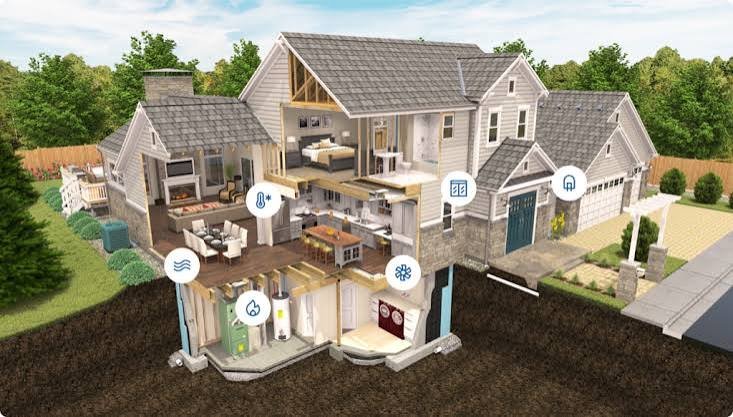
The idea of a home that responds to your routine is no longer limited to science fiction. Smart lighting, connected thermostats, security cameras, smart locks, and automated appliances can now work together to make everyday life more convenient.
When people search for techoelite smart homes, they are generally looking for information about modern connected living, home automation, intelligent devices, and ways to bring different systems together. Online sources use the term somewhat inconsistently, so it is useful to focus on the underlying concept rather than assume it represents one specific product or manufacturer. Several current guides describe it as an integrated approach to smart-home technology.
What Are Techoelite Smart Homes?
A smart home is a residence where connected devices can be monitored, controlled, or automated through a network. Depending on the setup, homeowners may use a smartphone app, voice commands, schedules, sensors, or automated routines.
The important distinction is integration.
Having one smart bulb and a smart speaker does not necessarily create a fully connected home. A more sophisticated setup allows several devices to respond to the same event. For example, when a homeowner unlocks the front door, the system could turn on the hallway lights, adjust the thermostat, and disable an automated security routine.
This type of coordination is one reason integrated smart-home systems are becoming more attractive. Rather than managing every gadget separately, users can create routines around the way they actually live.
Key Technologies Behind a Smart Home
Smart Lighting
Connected lighting is often one of the easiest places to begin. Smart bulbs, switches, and dimmers can be controlled remotely or scheduled to operate automatically.
For example, hallway lights could switch on when motion is detected at night. Exterior lighting can also be scheduled around sunrise and sunset.
The value is not simply being able to turn a light on with a phone. Automation can reduce unnecessary interaction and make lighting more responsive to occupancy and daily routines.
Climate Control
Smart thermostats and connected heating or cooling systems can provide greater control over indoor temperatures.
A homeowner might create a schedule that lowers heating or cooling when the house is empty and restores a preferred setting before people return. Remote access can also be useful when plans change.
However, automation should be configured carefully. A smart thermostat cannot compensate for poor insulation, inefficient equipment, or an incorrectly configured HVAC system.
Smart Security
Security is another major part of connected-home technology. Depending on the equipment selected, a system may include cameras, motion sensors, video doorbells, smart locks, and alarms.
The practical advantage is centralized monitoring. Instead of discovering an issue later, users can receive notifications when a camera detects movement or when another connected security device reports an event.
Privacy should remain a priority, particularly for internet-connected cameras and microphones. Strong passwords, unique accounts, two-factor authentication where available, and timely firmware updates are sensible precautions.
Connected Appliances and Entertainment
Smart appliances can extend automation into kitchens, laundry rooms, and living spaces. Entertainment devices can also be connected so that televisions, speakers, and streaming equipment can be controlled through compatible platforms.
The goal should be simplicity rather than adding technology for its own sake. A device is useful when its connected features solve a real problem.
Why Integration Matters More Than Individual Gadgets
One of the most useful insights for anyone considering techoelite smart homes is that compatibility matters more than the number of devices.
Imagine buying five products from five different manufacturers. Each may work perfectly on its own, but if they require separate applications and cannot communicate with one another, the overall experience can become frustrating.
A better approach is to choose an ecosystem and communication standards that allow compatible products to cooperate.
Modern smart-home systems can use technologies such as Wi-Fi, Bluetooth, Zigbee, Z-Wave, Thread, and Matter. Matter is particularly relevant because it is designed to improve interoperability between compatible smart-home products rather than functioning as a replacement for every underlying wireless technology.
Before purchasing equipment, check whether each device supports the ecosystem and standards you intend to use.
A Practical Example of Home Automation
Consider a homeowner who leaves for work at 8:00 a.m.
Instead of manually checking every system, a single “Away” routine could potentially:
- Turn off selected lights
- Adjust the thermostat
- Lock compatible doors
- Activate selected security devices
- Switch off connected appliances
- Send an alert if a door or window remains open
When the homeowner returns, a “Home” routine could reverse selected actions.
This is where automation becomes genuinely useful. The technology is not impressive simply because it is connected; its value comes from reducing repetitive tasks while keeping the homeowner in control.
How to Build a Smart Home Without Overcomplicating It
Starting small is usually more practical than attempting to automate an entire property immediately.
1. Identify a Real Problem
Begin with something that bothers you. Is lighting inconvenient? Is temperature control inefficient? Do you want better visibility around your front door?
Choose the problem before choosing the gadget.
2. Select a Compatible Ecosystem
Research which platforms work with the devices you are considering. Compatibility can prevent unnecessary purchases and reduce the number of apps required.
3. Improve Your Network
A reliable network is essential. Smart devices depend on communication between equipment, so weak Wi-Fi coverage or an overloaded router can undermine an otherwise good setup.
4. Add Automation Gradually
Start with a few useful devices and learn how they behave. Once the system is reliable, add additional components.
This approach also makes troubleshooting easier because you know which recent change may have caused a problem.
Advantages and Potential Drawbacks
| Area | Potential Advantage | Important Consideration |
|---|---|---|
| Convenience | Automates repetitive tasks | Poorly designed routines can become frustrating |
| Security | Remote alerts and monitoring | Connected cameras and locks require careful security |
| Energy management | Helps monitor and automate usage | Savings depend on equipment and user behavior |
| Accessibility | Voice and automated controls can simplify tasks | Devices should have suitable manual alternatives |
| Integration | Multiple systems can work together | Compatibility must be checked before buying |
The biggest benefit of a connected home is therefore not the technology itself. It is the ability to create routines that genuinely fit the household.
Common Mistakes to Avoid
A frequent mistake is purchasing devices based solely on individual features. A camera may have excellent specifications, for example, but it may not integrate well with the rest of the home.
Another mistake is automating too much too quickly. If dozens of routines operate simultaneously, identifying problems can become difficult.
Security is another area that should never be overlooked. Smart devices are connected technology, so owners should maintain updated software, secure accounts, and review privacy settings regularly.
Finally, always consider what happens if the internet connection fails. Depending on the device and architecture, some functions may continue locally while others may depend on cloud services. Understanding this before installation can prevent unpleasant surprises.
Are Techoelite Smart Homes Worth Considering?
For homeowners who value convenience, automation, monitoring, and centralized control, an integrated smart-home setup can be worthwhile.
The strongest case is usually practical rather than flashy. Automatic lighting can reduce repetitive actions. Connected climate control can make scheduling easier. Security notifications can provide useful awareness when you are away.
But a smart home does not have to mean a house filled with expensive gadgets. A well-planned system with a handful of reliable devices can be more useful than a complicated collection of incompatible products.
FAQs
What does techoelite smart homes mean?
The phrase is generally used in online content to describe an advanced or integrated smart-home approach involving connected lighting, security, climate control, appliances, and other residential technologies. It should not automatically be interpreted as the name of one verified manufacturer.
What should I automate first?
Start with a frequent, repetitive task. Lighting, temperature control, door security, or scheduled routines are practical starting points because their benefits are easy to evaluate.
Do all smart-home devices work together?
No. Compatibility varies between products and ecosystems. Check supported platforms, communication standards, and required hubs before purchasing devices.
Are smart homes secure?
They can be reasonably secure when properly configured, but connected devices introduce cybersecurity and privacy considerations. Use strong, unique passwords, enable available security protections, update software, and review device permissions.
Do I need a smart hub?
Not necessarily. Some devices connect directly through Wi-Fi or other technologies, while larger or more integrated systems may benefit from a hub or compatible controller.
Can I upgrade an existing house?
Yes. Smart-home technology can generally be introduced gradually into an existing property. Starting with a few compatible devices is often easier than replacing everything at once.
Read More: Stewart From WaveTechGlobal: Who Is He?
Conclusion
Techoelite smart homes are best understood as part of the broader movement toward connected, automated residential technology. The real benefit comes from bringing compatible systems together so that lighting, climate control, security, entertainment, and other functions can respond intelligently to everyday routines.
The smartest approach is not to buy the largest number of devices. Instead, identify genuine household needs, choose compatible technology, secure the network, and introduce automation step by step.
A successful smart home should ultimately feel simpler—not more complicated. When technology quietly handles repetitive tasks while leaving important decisions in the homeowner’s hands, connected living becomes genuinely useful rather than merely impressive.